Read more butter tester Instrument used to remove core sample from a vat of butter, for the sake of testing. Read more
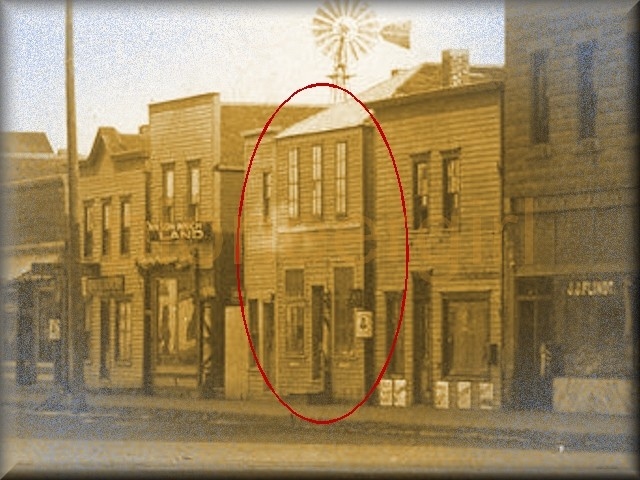
Read more Charleton Fuller / Gerald Fuller Hardware store owner, partnered with his brother Gerald. Read more
Read more cream of tartar / baking powder Byproduct of wine-making process, used in baking as leavening agent. Read more
Read more equinoctial storm Severe wind and heavy rain that occurs at or near the time of an equinox. Read more
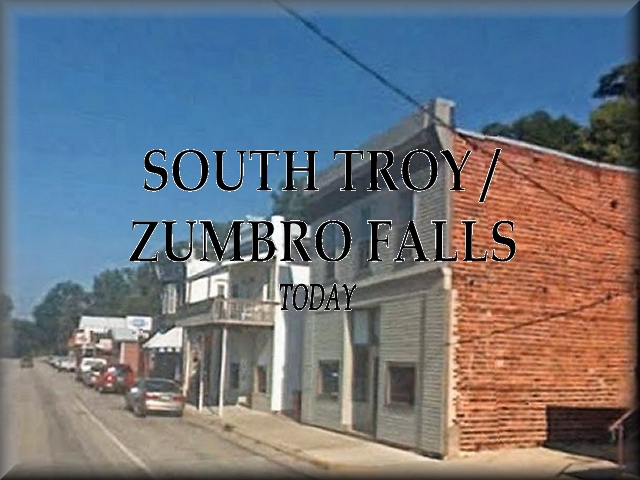
Read more South Troy / Zumbro Falls during the Little House years Ingallses lived here with Uncle Peter. Read more
Read more Declaration of Independence Document renouncing U.S. subjection to Great Britain. Read more
Read more railroad camp / Silver Lake camp Temporary dwellings for workers during surveying or construction. Read more
Read more wintergreen Aromatic, creeping evergreen, Gaultheria procumbens, having bright red berries. Read more
Read more Missouri Ruralist The Missouri Ruralist. A twice-monthly Missouri farm periodical... Read more
Read more Chariton County, Missouri Location of land purchased in 1868 by Charles Ingalls, Henry Quiner, and Tom Quiner. Read more
Read more Spin-offs and Adaptations of the Little House Books Not by LIW, but kindred publications. Read more
Read more Edelbert Harthorn family / Frank Harthorn & Mabel Burd Father and son owners of early drygoods store in De Smet. Read more
Read more Docia Ingalls / Hiram Forbes Sister of Charles Ingalls married to railroad contractor. Read more
Read more Pittsburgh Courier Widely-circulated black newspaper, which Rose Wilder Lane wrote a column for in the 1940s. Read more